Helston TR12 7NU, United Kingdom

Retatrutide Side Effects Heart: Cardiovascular Safety and Research Insights

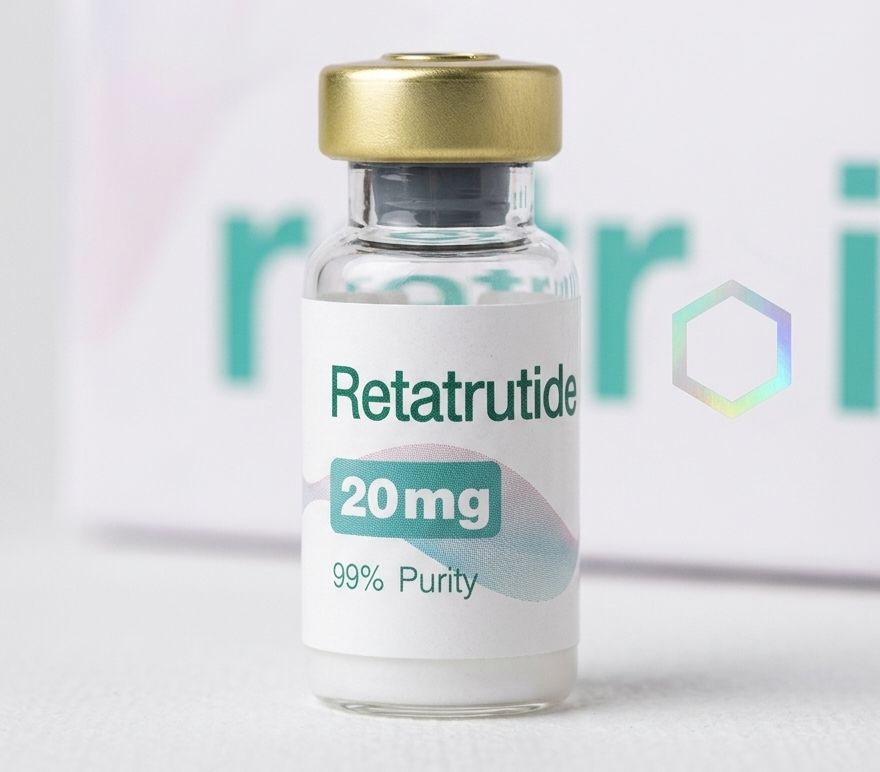
Understanding Retatrutide Side Effects Heart is an important part of evaluating the overall safety profile of this investigational peptide therapy. As interest in weight management and metabolic health continues to increase, many people want to know how Retatrutide Side Effects Heart may relate to cardiovascular wellbeing. Therefore, reviewing current research can help individuals have informed conversations with healthcare professionals.
Why Heart Safety Is Studied
Cardiovascular health is a major consideration for any therapy that influences metabolism, body weight, or blood sugar regulation. Consequently, researchers carefully evaluate Retatrutide cardiovascular effects during clinical studies.
Moreover, understanding how a treatment affects factors such as body weight, blood pressure, and metabolic markers helps scientists assess its overall safety profile.
Current Research on Cardiovascular Effects
Studies investigating Retatrutide heart safety are focused on understanding how the therapy interacts with cardiovascular systems. Researchers examine various health indicators, including:
- Heart rate changes
- Blood pressure measurements
- Metabolic improvements
- Weight-related cardiovascular factors
- Overall cardiac health markers
As a result, ongoing research continues to provide more information about potential benefits and risks.
Possible Factors Affecting Heart Health
Several individual factors may influence Retatrutide cardiac risks during treatment. These factors may include:
- Existing heart conditions
- Family medical history
- Current medications
- Lifestyle habits
- Overall metabolic health
Therefore, individuals with cardiovascular concerns should discuss their medical history with a qualified healthcare professional before considering any treatment.
Monitoring During Treatment
Healthcare professionals may recommend regular monitoring to support Retatrutide heart health throughout therapy. Additionally, follow-up appointments allow providers to evaluate treatment response and identify any concerns.
Monitoring may involve:
- Blood pressure checks
- Heart rate evaluation
- Weight tracking
- Blood sugar monitoring
- General health assessments
Consequently, ongoing medical supervision plays an important role in responsible treatment management.
Questions to Ask Your Healthcare Provider
Before considering therapy, discuss questions such as:
- Does my cardiovascular history affect treatment suitability?
- What heart-related symptoms should I monitor?
- How often should my health be evaluated?
- Are there other treatment options available?
Furthermore, clear communication helps create a safer and more personalized healthcare approach.
The Importance of Continued Research
Although early studies provide valuable insights, researchers continue investigating Retatrutide cardiovascular effects to better understand long-term outcomes. Consequently, future clinical trials may provide additional information about how the therapy affects different populations.
Because research is ongoing, medical guidance should always be based on the latest scientific evidence.
Final Thoughts
Understanding Retatrutide Side Effects Heart concerns allows individuals to approach peptide research with realistic expectations. While current studies continue evaluating Retatrutide heart safety, cardiovascular monitoring and professional medical guidance remain essential. Anyone considering this type of therapy should discuss personal risk factors and treatment options with a qualified healthcare professional.
Disclaimer: This article is for educational and informational purposes only. It does not provide medical advice or replace consultation with a qualified healthcare professional. Always seek professional guidance before starting or changing any treatment.
If you are interested in getting some of this product, kindly visit our shop page