Helston TR12 7NU, United Kingdom

retatrutide pens: What You Need to Know in 2026

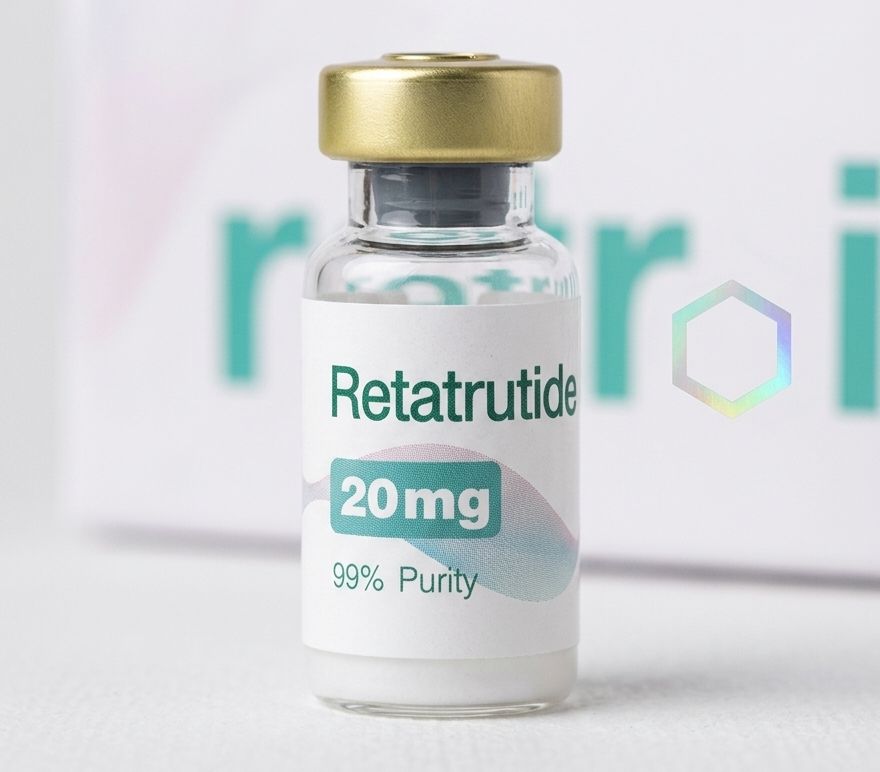
Modern metabolic medicine continues to advance rapidly as researchers evaluate retatrutide pens for chronic weight management. Currently, retatrutide represents an experimental triple hormone agonist undergoing extensive Phase 3 clinical trial evaluation. Consequently, official regulatory agencies like the FDA have not yet granted commercial approval for retail pharmacies. Furthermore, understanding how retatrutide pens function requires reviewing ongoing scientific studies, device engineering, and multi-receptor pharmacology. As a result, healthcare professionals follow clinical updates with intense interest.
Understanding retatrutide injection pens in Clinical Studies
Specifically, investigating retatrutide injection pens provides insight into advanced subcutaneous delivery systems. Because this first-in-class multi-agonist targets GLP-1, GIP, and glucagon receptors simultaneously, precise delivery remains critical. Furthermore, clinical researchers utilize standardized autoinjector formats to ensure accurate dose escalation throughout long-term trials. Therefore, study participants receive pre-filled units designed to maintain chemical stability and consistent bioavailability. Indeed, sophisticated engineering plays a major role in biopharmaceutical development.
Evaluating retatrutide pen devices in Experimental Science
Additionally, analyzing retatrutide pen devices reveals significant clinical promise across large patient populations. For instance, recent late-stage TRIUMPH clinical trials demonstrated substantial body weight reduction and improved glycemic control. Consequently, researchers observe that activating three distinct metabolic pathways enhances overall energy expenditure and fat oxidation. Thus, ongoing research consistently highlights superior efficacy compared to older single-receptor GLP-1 therapies.
Current Regulatory Status of retatrutide injectable pens
Notably, consumers must recognize that retatrutide injectable pens are not currently available as commercial prescriptions. Instead, legitimate access remains strictly limited to authorized clinical research centers and sponsored trial sites. Therefore, individuals should exercise extreme caution regarding unverified online vendors marketing unlicensed research peptides. Unregulated market products often lack proper purity verification, sterile manufacturing, and accurate dosage controls. Ultimately, patient safety depends upon verified biopharmaceutical standards.
Safety Considerations
Furthermore, evaluating monitored outcomes from retatrutide autoinjector pens reveals predictable gastrointestinal side effects. For example, trial participants frequently report temporary nausea, diarrhea, and decreased appetite during initial treatment stages. Consequently, trial supervisors implement gradual dose titration schedules to improve overall gastrointestinal tolerance. Therefore, prospective patients should monitor official regulatory submission filings planned by biopharmaceutical developers. In addition, clinical studies continue to document comprehensive safety profiles.
Final Medical Advice and Summary
Finally, discussing retatrutide pens requires comprehensive guidance from a licensed healthcare professional. Although preliminary scientific results appear remarkably impressive, self-administering unapproved compounded peptides presents serious health risks. Always consult a certified medical practitioner to explore approved obesity treatments and verified metabolic health solutions safely.
If you are interested in getting some of this product, kindly visit our shop page