Helston TR12 7NU, United Kingdom

TB500 clinical overview

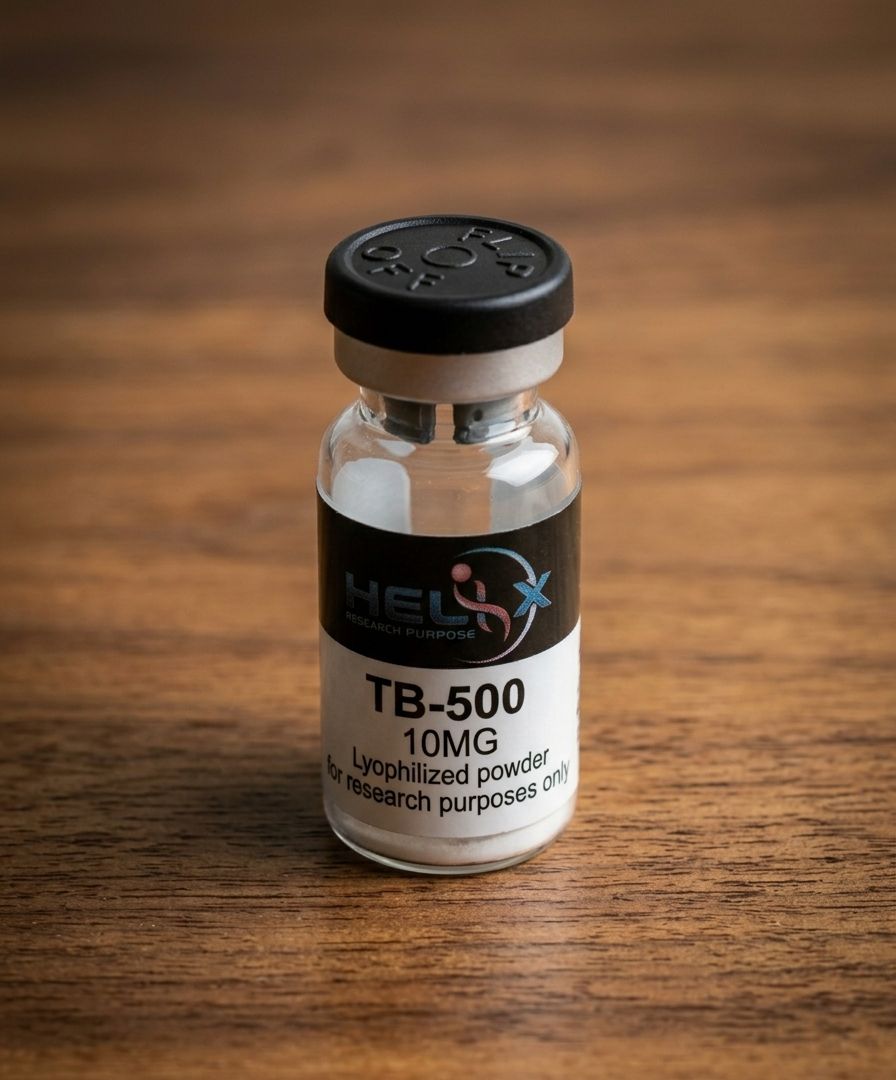
TB500 is increasingly discussed in clinical circles for its potential to aid tissue repair; therefore clinicians and informed patients should understand its properties. Furthermore, Thymosin beta-4 and TB-500 peptide appear in related reports, so awareness of nomenclature helps clarity.
What is TB500?
Clinically, TB500 is a synthetic peptide related to Thymosin beta-4, and it is proposed to modulate cell migration and inflammation. Consequently researchers consider its role in wound healing, and clinicians may encounter patient queries across the UK, USA, Australia, and Europe.
Proposed mechanisms
First, TB500 may influence actin dynamics and angiogenesis, thereby assisting tissue repair. Second, the Tβ4 peptide concept explains cellular migration effects, and third, anti-inflammatory modulation is often described in clinical summaries.
Common clinical uses Of TB500
- Soft tissue injury support, particularly tendon and ligament concerns.
- Post-surgical healing adjunct in some experimental settings.
- Management of chronic non-healing wounds in complex patients.
Notably, TB-500 peptide use remains experimental in many jurisdictions, so clinicians must consider regulatory status when advising patients in different regions.
Dosage and administration
Typical clinical reports suggest low microgram dosing and intermittent schedules, yet dosing is variable. Therefore careful clinical judgment and local regulations in the UK, USA, Australia and Europe must guide any decision. Also clinicians should monitor response and adverse events closely.
TB500 Safety and monitoring
Although many reports describe tolerability, potential risks include local reactions and systemic effects. Thus baseline assessment, informed consent, and ongoing monitoring are mandatory. Moreover pharmacovigilance reporting is recommended where available.
Clinical considerations by region
In the UK and Europe, regulatory frameworks often restrict off-label peptide therapies, so institutional oversight is required. Similarly, in the USA and Australia, clinicians should follow local guidance and ensure legal compliance.
Practical advice for clinicians
When patients inquire about TB500 or Thymosin beta-4, discuss evidence limits, regional regulations, and safe clinical pathways. Encourage conservative management first, and document all discussions.
For more information on TB500, please kindly visit our Product Shop Page.