Helston TR12 7NU, United Kingdom

TB500 and Bpc157: The Complete Research Guide for 2026

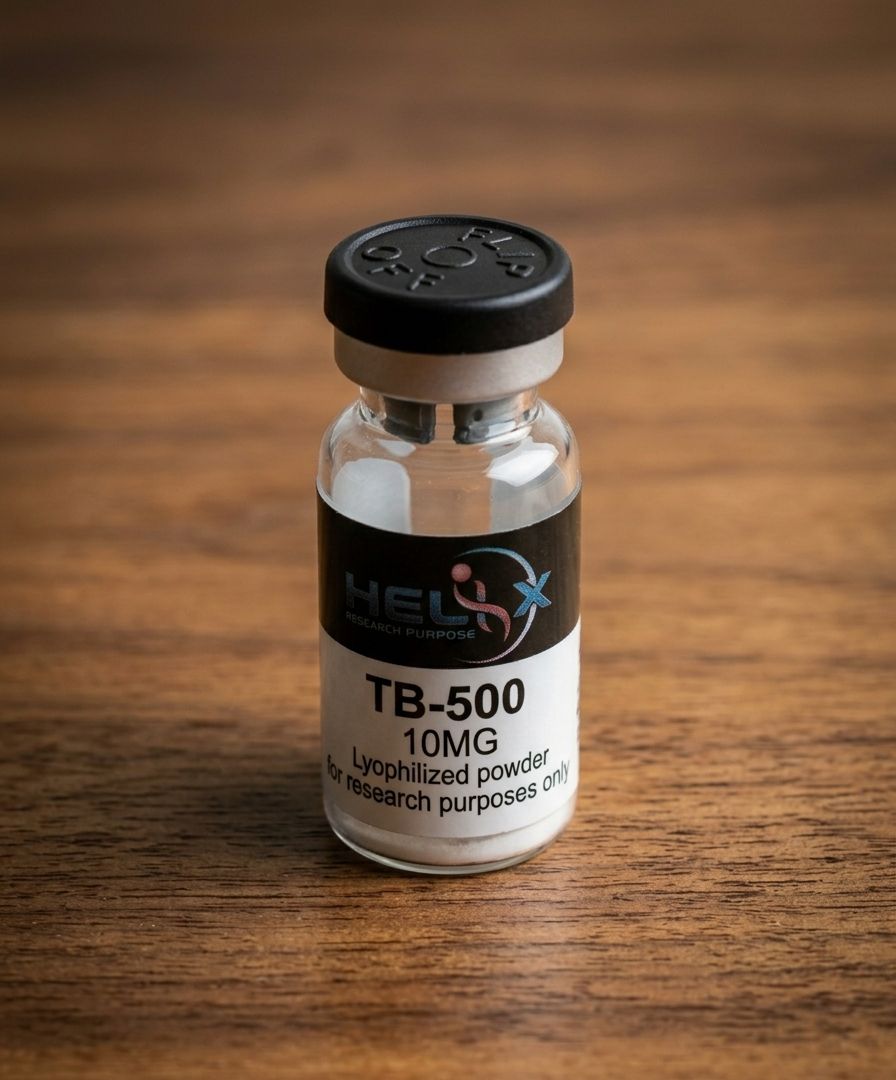
Firstly, TB500 and Bpc157 have emerged as two of the most talked-about research peptides in modern regenerative science. Moreover, athletes, biohackers, and clinicians are increasingly exploring the TB-500 and BPC-157 peptides for their reported roles in tissue repair, inflammation control, and accelerated recovery. Consequently, this guide breaks down what current research reveals.
What Are TB500 and Bpc157?
Essentially, TB500 is a synthetic version of Thymosin Beta-4, while BPC-157 is a Body Protection Compound derived from gastric proteins. Together, they form a synthetic healing peptide duo studied for cellular regeneration.
How the TB-500 and BPC-157 Peptides Work
Firstly, TB500 promotes actin regulation, which supports cell migration. Meanwhile, BPC-157 enhances angiogenesis and collagen synthesis. Therefore, the BPC157 and TB500 recovery stack is often researched for musculoskeletal healing.
TB500 and Bpc157 Reported Benefits in Research
Notably, studies suggest several potential benefits:
- Firstly, faster soft tissue repair
- Additionally, reduced systemic inflammation
- Moreover, improved tendon and ligament recovery
- Furthermore, enhanced gut lining protection
- Also, better joint mobility
Why Researchers Explore This Peptide Duo
Basically, TB500 and Bpc157 offer complementary mechanisms. Specifically, one works systemically while the other supports localized healing. Thus, the Thymosin Beta-4 and Body Protection Compound pairing is widely studied.
Common Research Dosage Insights
Typically, research protocols cite 250–500 mcg ranges. However, dosing varies by study. Therefore, always rely on peer-reviewed data.
Safety and Legal Status
Currently, both peptides remain research chemicals in most regions. Consequently, they are not approved for human therapeutic use. Nevertheless, ongoing trials continue to expand knowledge.
Storage and Handling Tips
Firstly, store vials of TB500 and Bpc157 refrigerated. Secondly, reconstitute with bacteriostatic water. Finally, avoid direct sunlight exposure.
Choosing Quality Peptides for Research
Importantly, always verify third-party lab testing, HPLC purity reports, and transparent sourcing. Otherwise, results may vary significantly.
The Future of Peptide Science
Ultimately, TB500 and Bpc157 represent a growing frontier in regenerative medicine research. Furthermore, new studies continue to explore their synergistic potential.
Final Thoughts
In conclusion, the TB-500 and BPC-157 peptides stand out for their research-backed versatility. Therefore, staying informed through credible peptide science remains essential for anyone tracking regenerative innovation.
For more information on TB500, please kindly visit our Product Shop Page.