Helston TR12 7NU, United Kingdom

Understanding the Role of Bpc 157 Capsules

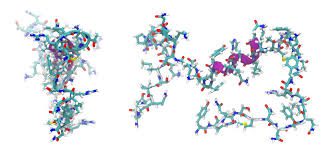
In modern laboratory research, bpc 157 capsules provide a highly stable oral delivery method for studying tissue repair. Specifically, this pentadecapeptide is derived from a natural protective protein found in human gastric juice. Because of its unique structure, it resists degradation from harsh stomach acids remarkably well. Therefore, researchers widely prefer this oral format for systemic gastrointestinal studies.
Exploring Key Bpc 157 Benefits
The primary bpc 157 benefits focus heavily on accelerated soft tissue healing. For instance, studies show significant improvements in tendon-to-bone healing and gastric ulcer recovery. Furthermore, the compound actively promotes angiogenesis, which means it aids the formation of new blood vessels. Consequently, this increased blood flow rapidly delivers vital nutrients directly to damaged cellular structures.
Determining the Accurate Bpc 157 Dosage
[Standard Laboratory Concentration Matrix]
Low Concentration: 250 mcg per unit | High Concentration: 500 mcg per unit
Establishing a precise bpc 157 dosage protocol is essential for achieving consistent scientific results. Generally, most laboratory protocols utilize a range between two hundred and fifty to five hundred micrograms per day. However, you must calibrate the exact amount based entirely on the specific subject weight. Because oral bioavailability varies slightly, careful daily tracking remains absolutely mandatory during the testing phase.
Synergistic Approaches: Bpc 157 and Tb 500
Many contemporary studies evaluate the combined power of bpc 157 and tb 500 to maximize cellular recovery. Although both compounds encourage healing, they utilize entirely different molecular pathways. For example, thymosin beta four primarily modulates actin to accelerate cell migration. Meanwhile, bpc 157 capsules focus on upgrading growth factor receptors. As a result, using them together creates a highly powerful synergistic effect on connective tissues.
Tracking Potential Bpc 157 Side Effects
Researchers must thoroughly document all observed bpc 157 side effects to maintain laboratory safety. Fortunately, most available data suggests the compound maintains an excellent safety profile in controlled settings. Nevertheless, some mild responses like temporary headaches or slight nausea can occasionally occur. For this reason, maintaining strict baseline monitoring helps isolate these variables cleanly.
Sourcing Verifiable Oral Compounds
Finding high-purity bpc 157 capsules requires a reliable chemical supplier with strict quality controls. For safety, always demand a comprehensive third-party certificate of analysis for every single batch. This certification guarantees that your materials are completely free from heavy metals or harmful bacterial contaminants. Thus, you ensure your experimental data remains perfectly accurate and entirely valid.
Legal Disclaimer
Legal Disclaimer: The information provided in this article is strictly for educational, scientific, and informational purposes. Bpc 157 capsules and related research peptides are intended solely for laboratory research and in vitro studies. This content does not constitute medical advice or recommendations for human use. These products are not approved by the FDA or EMA for human consumption, diagnosis, treatment, or prevention of any disease. Always consult with a licensed professional regarding any medical or regulatory concerns.