Helston TR12 7NU, United Kingdom
Helston TR12 7NU, United Kingdom
Tissue Repairs & Recovery
The Science of Accelerated Healing: Peptides for Tissue Repair
In the pursuit of peak physical performance and long-term vitality, the body’s natural ability to bounce back from injury is often the primary limiting factor. Peptides for tissue repair and recovery have emerged as a groundbreaking frontier in regenerative science, offering targeted pathways to support the healing of tendons, ligaments, skin, and muscle tissue. While traditional recovery methods rely heavily on rest and basic nutrition, bioactive peptides act as precise signaling molecules that instruct your cells exactly how to rebuild, remodel, and regenerate damaged structures.
How Peptides Facilitate Biological Recovery
To begin with, it is essential to understand that peptides like BPC-157 and TB-500 do not simply mask pain or provide temporary relief; rather, they influence the fundamental stages of the biological inflammatory response. BPC-157, often referred to as a “Body Protective Compound,” has been extensively studied for its ability to promote angiogenesis—the formation of new blood vessels. Consequently, this increased blood flow delivers vital nutrients and oxygen to damaged sites that typically receive poor circulation, such as “white zone” connective tissues including the ACL or Achilles tendon.
Furthermore, TB-500 (Thymosin Beta-4) plays a pivotal role in cellular migration. By upregulating actin, a protein critical for cell structure and movement, TB-500 allows repair cells to travel more efficiently to the site of an injury. In addition to these specific mechanisms, many recovery peptides work synergistically to modulate systemic inflammation. As a result, they help in reducing downtime without suppressing the body’s natural healing triggers that are necessary for long-term adaptation.
Strategic Applications for Athletes and Longevity
Moreover, the application of these compounds extends far beyond acute injury management. Many individuals utilize recovery peptides to address chronic wear and tear or “overuse” syndromes that often plague long-term training cycles. For instance, because certain peptides can stimulate collagen synthesis, they are frequently integrated into protocols aimed at strengthening the structural integrity of the entire musculoskeletal system.
Nevertheless, it is important to emphasize that the efficacy of these sequences depends largely on purity and correct sequence matching. For this reason, sourcing high-grade research peptides is the most critical step for any researcher or enthusiast. Whether you are looking to support bone density, improve skin elasticity after trauma, or accelerate muscle fiber repair after intense hypertrophy training, the specific selection of a peptide profile is paramount.
Summary Benefits of Peptides for tissue repair and recovery
- Enhanced Angiogenesis: Improved blood flow to notoriously slow-healing tendons and ligaments.
- Upregulated Collagen Synthesis: Building stronger connective tissue and improving skin integrity.
- Reduced Recovery Time: Facilitating a faster return to activity after strenuous exertion or surgery.
- Advanced Cellular Migration: Ensuring efficient transport of repair cells to wounded areas.
Ultimately, by leveraging the power of peptide therapy, you are tapping into the body’s innate regenerative blueprint. In conclusion, our “Tissue Repair & Recovery” category provides the essential building blocks needed to push past physical plateaus and ensure your body remains as resilient as your ambition.
Showing all 8 results
-
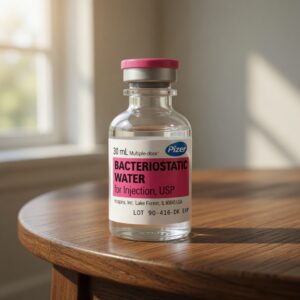
Bacteriostatic/Bac Water
Price range: €18.00 through €120.00Select options This product has multiple variants. The options may be chosen on the product page -

BPC 157
Price range: €40.00 through €1,430.00Select options This product has multiple variants. The options may be chosen on the product page -

Ghk-cu peptide/serum/cream
Price range: €35.00 through €1,200.00Select options This product has multiple variants. The options may be chosen on the product page -

Glow Peptide
Price range: €45.00 through €725.00Select options This product has multiple variants. The options may be chosen on the product page -

Klow
Price range: €55.00 through €1,035.00Select options This product has multiple variants. The options may be chosen on the product page -

KPV Peptide
Price range: €25.00 through €460.00Select options This product has multiple variants. The options may be chosen on the product page -
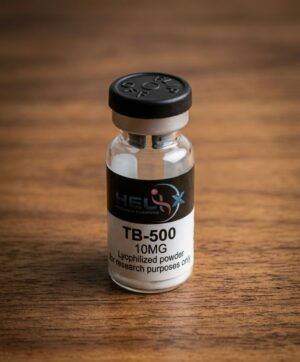
TB 500
Price range: €20.00 through €650.00Select options This product has multiple variants. The options may be chosen on the product page -
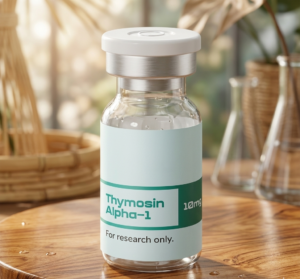
Thymosin Alpha-1
Price range: €50.00 through €1,650.00Select options This product has multiple variants. The options may be chosen on the product page