Helston TR12 7NU, United Kingdom

Helston TR12 7NU, United Kingdom
Metabolic & Weight Management
About Metabolic & Weight Management Research
The study of metabolic health has evolved significantly with the introduction of Peptide therapy in research environments. These short chains of amino acids act as signaling molecules, which effectively influence various physiological processes within the body. Specifically, researchers are focusing on how certain compounds can modulate growth hormone secretion and insulin sensitivity. Consequently, the category of metabolic weight management peptides has become a cornerstone of modern biochemical exploration.
The Mechanism of Metabolic Weight Management Peptides
Metabolic function is a complex web of hormonal signals. Many Weight Loss Research Peptides target the pituitary gland to stimulate the natural release of growth hormone. Because of this, these compounds are studied for their potential to reduce visceral fat. Furthermore, they may help in preserving lean muscle mass during periods of caloric deficit. Researchers often observe that these molecules improve lipid profiles. Such improvements are vital for understanding long-term cardiovascular health in various models.
In addition to growth hormone secretagogues, other peptides focus on gastric emptying and glucose-dependent insulinotropic effects. These mechanisms are crucial because they regulate how energy is processed. When energy metabolism is optimized, the body becomes more efficient at utilizing stored adipose tissue. Therefore, the data gathered from these studies provides a deeper look into metabolic flexibility. This flexibility is the body’s ability to switch between fuel sources seamlessly.
Key Research Compounds in Metabolic Weight Management Peptides
Several specific peptides dominate this field of study due to their unique properties. For instance, Tesamorelin is frequently analyzed for its impact on abdominal fat. Similarly, Ipamorelin is noted for its high selectivity in stimulating growth hormone without increasing appetite. Moreover, the synergy between different peptides is a growing area of interest. Scientists often combine compounds to observe cumulative effects on metabolic rate. Such combinations must be handled with precision in a laboratory setting.
Furthermore, the role of mitochondrial health cannot be overlooked in weight management research. Some peptides may influence mitochondrial biogenesis, which enhances cellular energy production. As a result, the research extends beyond simple weight loss into the realm of cellular longevity. This holistic view of metabolism is what drives the current demand for high-purity Metabolism Regulation Peptides.
Quality Standards and Research Integrity
To achieve reproducible results, the purity of the Metabolic Weight Management peptides is paramount. Impurities can skew data and lead to incorrect conclusions regarding metabolic pathways. Consequently, all products in this category undergo rigorous testing. This ensures that every vial meets the exact specifications required for advanced biochemical analysis. High-quality research leads to better understanding. This understanding eventually paves the way for future breakthroughs in metabolic science. In conclusion, Metabolic Weight Management Peptides provides the essential tools for exploring the frontiers of human physiology.
Showing all 10 results
-

Bacteriostatic/Bac Water
Price range: €18.00 through €120.00Select options This product has multiple variants. The options may be chosen on the product page -

Cjc-1295/Ipamorelin
Price range: €35.00 through €970.00Select options This product has multiple variants. The options may be chosen on the product page -
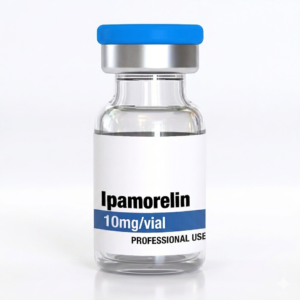
Ipamorelin
Price range: €15.00 through €575.00Select options This product has multiple variants. The options may be chosen on the product page -

Mots-c
Price range: €15.00 through €475.00Select options This product has multiple variants. The options may be chosen on the product page -

Retatrutide
Price range: €40.00 through €955.00Select options This product has multiple variants. The options may be chosen on the product page -

Saxenda
Price range: €185.00 through €700.00Select options This product has multiple variants. The options may be chosen on the product page -

Semaglutide injection/tablets
Price range: €45.00 through €950.00Select options This product has multiple variants. The options may be chosen on the product page -

Sermorelin
Price range: €30.00 through €880.00Select options This product has multiple variants. The options may be chosen on the product page -

Tesamorelin
Price range: €25.00 through €720.00Select options This product has multiple variants. The options may be chosen on the product page -
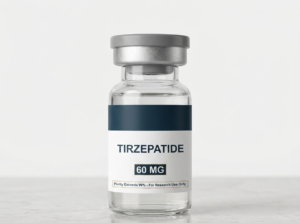
Tirzepatide
Price range: €25.00 through €520.00Select options This product has multiple variants. The options may be chosen on the product page