Helston TR12 7NU, United Kingdom

Retatrutide Dose: Understanding Dosing in Clinical Research

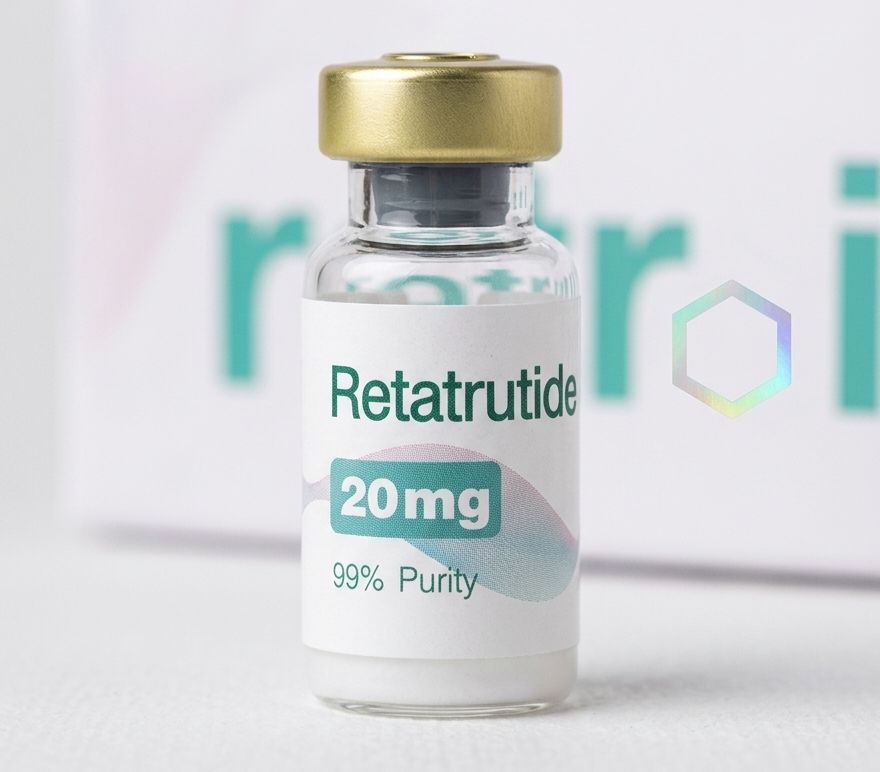
People searching for Retatrutide dose are often looking for information about how this investigational peptide has been studied in clinical research. Although Retatrutide has shown promise in research settings, it remains under investigation in many countries. Therefore, it is important to understand that published dosing information reflects clinical trial protocols rather than guidance for self-use.
What Is Retatrutide?
Retatrutide is an investigational peptide designed to activate three hormone receptors involved in metabolic regulation:
- GLP-1 receptor
- GIP receptor
- Glucagon receptor
Because it targets multiple pathways simultaneously, researchers continue evaluating its effects on appetite regulation, energy balance, blood glucose control, and body weight.
How Has Retatrutide Dosing Been Studied?
The Retatrutide dosing used in clinical research is carefully planned before participants enter a study. Researchers establish protocols that specify how doses are introduced, monitored, and adjusted throughout the trial.
These protocols are designed to:
- Evaluate safety
- Assess tolerability
- Measure treatment response
- Compare different dose levels
- Collect reliable scientific data
Consequently, every participant is monitored according to predefined research standards.
Why Is Retatrutide Dose Escalation Important?
Many investigational metabolic therapies are evaluated using a gradual dose-escalation approach. Likewise, studies involving Retatrutide dosage have examined increasing dose levels over time rather than beginning with higher amounts.
Researchers use this strategy to:
- Improve tolerability
- Observe participant responses
- Identify appropriate dose ranges
- Reduce the likelihood of treatment discontinuation
- Gather consistent safety data
As a result, gradual escalation remains an important feature of many clinical trial designs.
Factors That Influence Clinical Retatrutide Dosing
Researchers consider several variables when determining an appropriate Retatrutide dose schedule for a study.
Important considerations include:
- Study objectives
- Participant characteristics
- Previous clinical evidence
- Safety monitoring requirements
- Duration of treatment
Furthermore, every clinical protocol follows regulatory and ethical standards before enrollment begins.
How Is Safety Evaluated?
Safety remains one of the primary objectives of every clinical study involving Retatrutide clinical dosing.
Throughout a trial, researchers monitor participants for:
- Gastrointestinal symptoms
- Changes in laboratory values
- Cardiovascular health
- Overall tolerability
- Adverse events
Therefore, ongoing monitoring helps investigators understand both the short-term and long-term safety profile of the investigational therapy.
Why Clinical Trial Doses Should Not Be Self-Applied
Although scientific publications sometimes describe doses evaluated during research, those values are specific to controlled study environments. Consequently, they should not be interpreted as recommendations for individual use.
Clinical studies include:
- Medical supervision
- Eligibility screening
- Scheduled follow-up visits
- Safety assessments
- Independent oversight
These safeguards are essential for protecting participants and ensuring reliable scientific results.
What Researchers Hope to Learn
Current studies continue evaluating how different dose levels may influence outcomes such as:
- Weight management
- Metabolic health
- Blood glucose regulation
- Appetite control
- Overall tolerability
However, additional research is necessary before conclusions can be drawn regarding long-term clinical use.
Frequently Asked Questions
Is there a standard Retatrutide dose?
At present, there is no universally established clinical dose because Retatrutide remains under investigation in many regions.
Why do studies use dose escalation?
Dose escalation allows researchers to evaluate safety, tolerability, and participant response while collecting high-quality clinical data.
Can clinical trial doses be used outside research?
No. Clinical trial protocols are designed for controlled research settings and should not be treated as guidance for personal use.
Why is dosing still being studied?
Researchers continue evaluating which dose ranges provide the most favorable balance between effectiveness and safety.
Final Thoughts
Understanding Retatrutide dose requires recognizing the difference between investigational research and established medical practice. Clinical studies use carefully designed dosing protocols to evaluate safety and effectiveness under close supervision. As additional evidence becomes available, researchers and regulatory authorities will continue assessing how Retatrutide may fit into future treatment strategies.
Disclaimer: This article is provided for educational purposes only. Retatrutide is an investigational peptide in many jurisdictions, and information about clinical trial dosing should not be interpreted as medical advice or instructions for personal use. Always rely on qualified healthcare professionals and official regulatory guidance for medical decisions.
If you are interested in getting some of this product, kindly visit our shop page