Helston TR12 7NU, United Kingdom
What Is Retatrutide? A Complete Guide to the Triple-Agonist Peptide

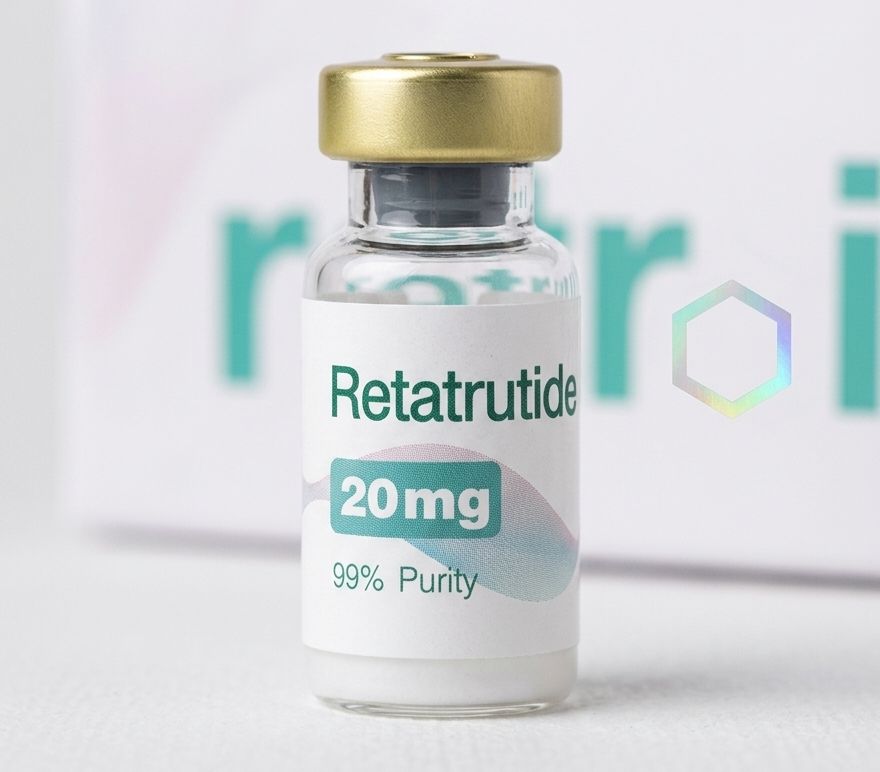
So, what is retatrutide, and why has it become one of the most talked-about names in metabolic medicine? In short, retatrutide is an investigational, once-weekly injectable peptide developed by Eli Lilly that simultaneously activates three separate hormone receptors in the body. Because it targets three pathways at once rather than just one, researchers refer to it as a retatrutide triple agonist, and early results have made it one of the most closely watched drugs in the obesity and metabolic research space. Below, we’ll walk through the science, the trial data, and where things currently stand.
What Is Retatrutide, Exactly?
At its core, retatrutide (also known by its research code LY3437943) is a single molecule engineered to bind to and activate three different receptors: GLP-1, GIP, and glucagon. Consequently, it belongs to a class of drugs known as triple hormone receptor agonists. Unlike semaglutide, which only activates GLP-1, or tirzepatide, which activates GLP-1 and GIP, retatrutide adds a third mechanism — glucagon receptor activation — that appears to boost calorie burning in addition to appetite suppression.
How Retatrutide’s Mechanism of Action Works
Understanding the retatrutide mechanism of action helps explain why the results have generated so much interest. First, GLP-1 receptor activation slows gastric emptying, increases insulin secretion, and reduces appetite through effects on the hypothalamus. Next, GIP receptor activation appears to enhance and amplify those same GLP-1 effects. Finally, and most distinctively, glucagon receptor activation increases energy expenditure and promotes fat oxidation in the liver. Although glucagon typically raises blood sugar, the combined GLP-1 and GIP effects offset this, so the net result is still improved glucose control rather than a rise in blood sugar.
What Do the Retatrutide Clinical Trials Show So Far?
Since the science alone doesn’t tell the whole story, it’s worth looking at the actual data from retatrutide clinical trials. In Phase 2 studies, participants with obesity lost an average of 24.2% of their body weight over 48 weeks — among the largest weight-loss results ever recorded for a pharmaceutical intervention. Building on that, Phase 3 trials have reported even larger effects: the TRIUMPH-4 trial, for example, showed weight reductions of up to 28.7% alongside significant improvements in knee osteoarthritis pain. Meanwhile, separate Phase 3 data in people with type 2 diabetes showed meaningful reductions in A1C alongside substantial weight loss. Liver fat reduction, blood pressure improvements, and better cholesterol markers have also been reported across these studies. However, because trials are still ongoing, long-term safety data is still being gathered.
Retatrutide vs Other GLP-1 Therapies
To put things in context, it helps to compare retatrutide with existing approved treatments. Semaglutide (marketed as Wegovy and Ozempic) activates only the GLP-1 receptor. Tirzepatide (marketed as Zepbound and Mounjaro) activates both GLP-1 and GIP receptors. By adding glucagon receptor activity on top of that, retatrutide represents a further evolution of this drug class, and early trial data suggests this third mechanism may translate into greater average weight loss than either of its predecessors. That said, head-to-head trials are still needed before firm conclusions can be drawn.
Is Retatrutide FDA Approved?
Currently, retatrutide is not approved by the FDA, the UK’s MHRA, or Australia’s TGA. It remains an investigational drug, meaning it can legally be accessed only through enrollment in a clinical trial. Nevertheless, Eli Lilly has described the drug’s Phase 3 results as strong enough to support future regulatory submissions, and analysts widely expect a formal application to be filed sometime in late 2026 or 2027.
What Is Retatrutide Being Studied For?
Beyond obesity, researchers are also studying retatrutide for type 2 diabetes, metabolic dysfunction-associated steatotic liver disease (MASLD/MASH), knee osteoarthritis, obstructive sleep apnea, and cardiovascular risk reduction. Therefore, if it’s eventually approved, its potential label could extend well beyond weight management alone.
Potential Side Effects and Safety Considerations
As with other incretin-based therapies, the most commonly reported side effects in trials include nausea, diarrhea, constipation, and vomiting, particularly during dose escalation. Because retatrutide is still investigational, its full long-term safety profile — including rare or delayed effects — has not yet been established. For this reason, medical guidance strongly emphasizes that retatrutide should only be used under the supervision of the clinical trial teams currently studying it.
Frequently Asked Questions
Is retatrutide the same as GLP-3? No — “GLP-3” is not a real hormone. It’s simply an informal nickname that has circulated online for retatrutide.
Can I buy retatrutide today? No. Since it isn’t approved anywhere yet, it cannot be legally prescribed or purchased for personal use outside of a clinical trial.
When might retatrutide be approved? Estimates vary, but most analysts project a possible approval window sometime between 2027 and 2028, pending Phase 3 completion and regulatory review.
The Bottom Line
To sum up, what is retatrutide? It’s an experimental triple-agonist peptide that has produced some of the most striking weight-loss and metabolic results seen in clinical research to date. Still, because it remains unapproved, anyone interested in accessing it today should look into legitimate clinical trial enrollment rather than unregulated sources — a topic covered in more detail in our companion article on retatrutide’s approval timeline and trial access.
If you are interested in getting some of this product, kindly visit our shop page